For many years now, Boone County has consistently had over 150 open jobs. Employers have work to do and not enough people to do it.
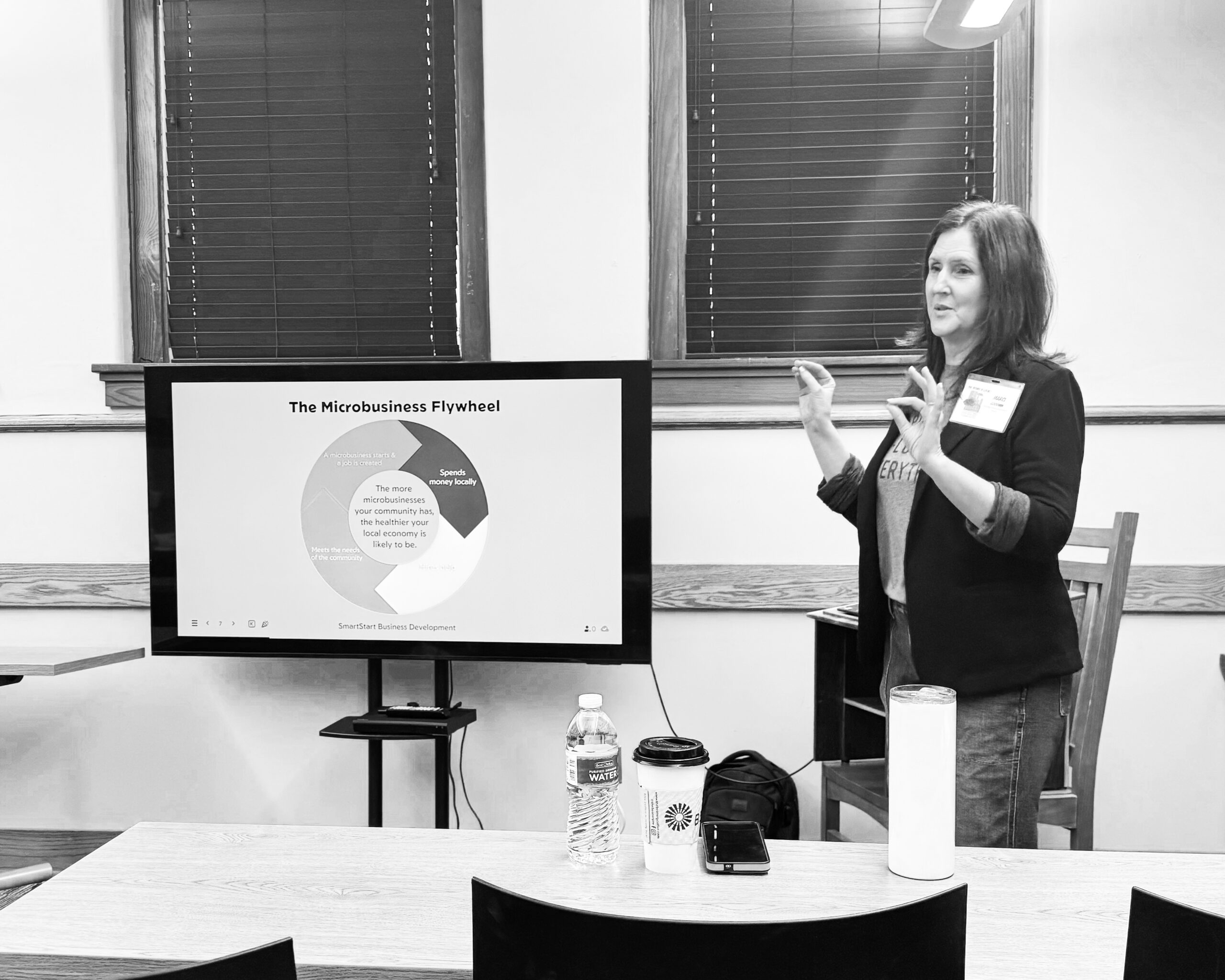
Yesterday, Boone County Development Agency (BCDA) attended the second annual Welcoming Workforce Summit, joining employers, human resources professionals, chamber leaders, and economic development staff from across Nebraska for a day focused on workforce shortages and the immigration system’s role in them.
The summit was hosted by the Nebraska Chamber and the Center for Immigrant & Refugee Advancement (CIRA), in collaboration with the York Chamber of Commerce, as an event of the Nebraska Alliance for Thriving Communities, a coalition of more than 70 organizations formed in 2024.
Why it matters here
- Free legal and workforce resources exist that most Boone County employers have never been told about.
- Retention, not recruitment, is where rural communities lose workers.
- BCDA can connect any local business to these resources at no cost. Start with a phone call.
The Rural Math
150+ open jobs in Boone County, sustained year over year
State Senator Jana Hughes, District 24, laid out the demographic picture facing communities like ours. Birth rates have declined. The population is aging. More workers are retiring than entering the workforce to replace them. In her own district, she said, nursing homes struggle to keep enough staff on the floor.
It’s a description Boone County residents will recognize. Our employers in healthcare, long-term care, manufacturing, and agricultural processing are competing for the same shrinking pool of workers, and the competition isn’t just with our local communities. It’s statewide and national.
Hughes pointed to one targeted response from this legislative session: a bill (LB1212) creating a pathway for physicians trained outside the United States to practice in Nebraska while working toward citizenship. It’s a narrow fix, but it illustrates the kind of practical, workforce-specific problem-solving happening at the state level.
What Employers Actually Asked About
Recruiting a worker to a rural community is one thing. Keeping them there is another.
The most useful portions of the day weren’t about policy. They were about paperwork.
Sessions covered immigration law basics for employers: what work authorization looks like, what verification requires, and where an employer’s responsibilities begin and end. Other sessions addressed the long timelines workers and students face in the application process, and what those delays mean for a business trying to fill a shift on a Monday morning.
Presenters also spent time on retention. Recruiting a worker to a rural community is one thing; keeping them there is another. Stability, family support, and connection to the community came up repeatedly as the factors that determine whether someone stays for three months or thirty years. A theme that will sound familiar to anyone following BCDA’s See Yourself Here campaign.
A resource fair connected attendees with legal, workforce, and community organizations offering support at no cost.
Why BCDA Was There
Part of our job is to show up in rooms where the conversations affecting Boone County employers are happening, and then bring what we learn home.
The clearest takeaway from the Welcoming Workforce Summit: resources exist that most small and mid-sized employers don’t know about. Business owners navigating hiring questions, verification requirements, or workforce compliance don’t have to figure it out alone, and they don’t have to pay a consultant to get started.
Boone County Employers
Hiring questions? Start with a phone call.
If your business has questions about workforce compliance, verification, or connecting with employees new to the area, we’ll help you find the right resource.